

You are scrolling through a group chat and someone drops “DTTM” out of nowhere. No explanation, no follow up. You are left staring at four letters wondering if you missed something important or if it is just another piece of internet shorthand you have not learned yet.
You are not behind. Texting language shifts constantly, and new abbreviations show up in group chats, comment sections, and DMs faster than most people can track. This guide breaks down exactly what DTTM means, where it comes from, how people actually use it in 2026, and how you can reply without sounding confused or out of touch.
What Does DTTM Mean? (Quick Answer)

DTTM most commonly stands for “Don’t Talk To Me.” It is used when someone wants space, is annoyed, embarrassed, or simply done with a conversation for the moment. It is informal, mostly playful rather than genuinely hostile, and appears across texts, Instagram comments, Snapchat captions, and TikTok replies. In rare cases it can also mean “Don’t Think Too Much,” though this usage is far less common.
Where DTTM Comes From
Texting slang usually forms the same way. People say a phrase often enough in real life or online that someone eventually shortens it to save keystrokes. “Don’t talk to me” is a phrase people have used for decades when they are stressed, tired, or joking around after a rough moment. Once messaging apps and social platforms took over daily communication, shrinking that phrase into four letters was a natural next step.
Unlike older acronyms such as LOL or BRB, DTTM never became mainstream in the same way. It stayed mostly inside younger, chat heavy communities: group texts, gaming lobbies, and comment sections on platforms like TikTok and Instagram. That niche status is actually part of why so many people search for its meaning. It shows up often enough to cause confusion, but not often enough for everyone to already know it.
Read Slang : PK Meaning in Text
The Main Meanings of DTTM
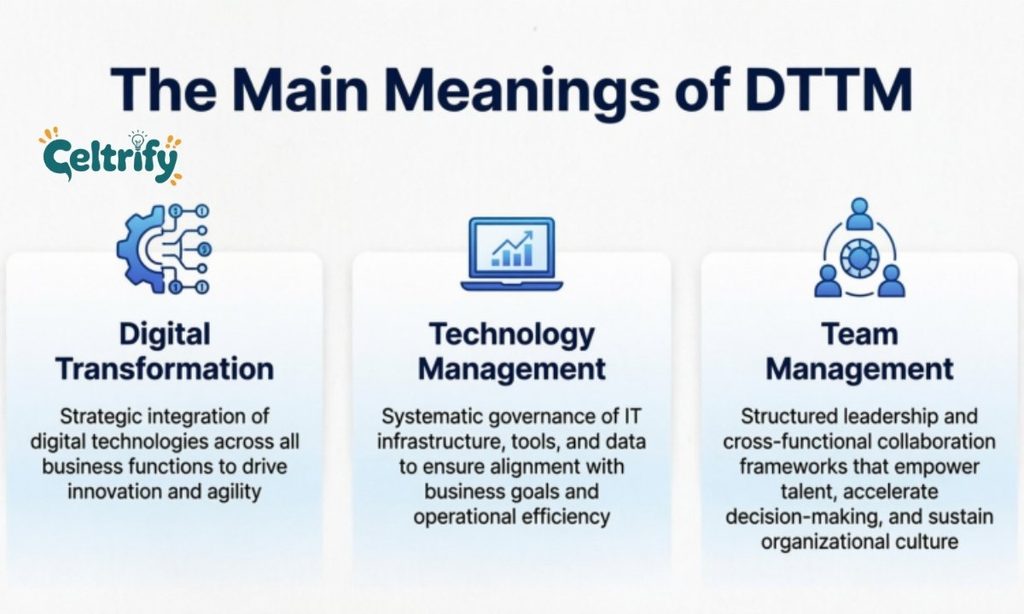
DTTM is not always used the exact same way. Context, punctuation, and emojis change how it lands. Here are the meanings you are most likely to run into.
| Meaning | How Common | Typical Tone |
| Don’t Talk To Me | Most common | Playful, dramatic, occasionally serious |
| Doing Too Much | Fairly common in comment threads | Sarcastic or critical |
| Don’t Think Too Much | Less common | Reassuring, supportive |
| Damn Girl, Yes | Rare | Excited, appreciative |
Don’t Talk To Me
This is the version you will see the vast majority of the time. Someone had a bad day, spilled coffee on their shirt, bombed a test, or just wants a break from the conversation. They are not usually asking to be left alone forever. It is more of a dramatic shorthand for “I am overwhelmed right now.”
Doing Too Much
In some comment sections and reply threads, DTTM points at someone else’s behavior instead of the sender’s own mood. It gets used when a person is seen as exaggerating, overreacting, or putting in far more effort than a situation calls for. A friend posting a ten slide caption about a minor inconvenience might get a comment that just says “dttm” underneath it.
Don’t Think Too Much
This meaning shows up less often, but it does exist in some casual advice style conversations. Instead of shutting a conversation down, it gently tells someone to relax about a situation they are overanalyzing.
Damn Girl, Yes
This one is rare and tends to appear in very specific slang heavy circles, usually as an enthusiastic reaction rather than a request for space. If you see DTTM used after a compliment or exciting update, this is likely the intended meaning, though it is worth confirming with context.
Read Also : Lonk Meaning in Text:
How to Tell Which Meaning Is Intended
Reading the surrounding message is the fastest way to figure out which version of DTTM someone means. A few quick signals help:
- Check what came right before it. A complaint or embarrassing story usually points to “Don’t Talk To Me.”
- Look at who is being talked about. If it is aimed at a third person’s behavior rather than the sender’s own mood, “Doing Too Much” is more likely.
- Notice the emojis. A crying laughing emoji softens the tone, while no punctuation at all can read as more serious.
- Consider the relationship. Close friends use DTTM loosely and jokingly far more often than people who barely know each other.
DTTM in Real Conversations
Seeing the abbreviation in context makes it much easier to understand than a plain definition alone.
- “Just found out my flight got cancelled dttm 😭” (Don’t Talk To Me, frustration over travel plans falling apart)
- “She posted a whole essay about her coffee order being wrong lol dttm” (Doing Too Much, gentle teasing)
- “I know the interview felt rough but dttm, you did fine” (Don’t Think Too Much, reassurance)
- “dttm the way that outfit is going crazy” (Damn Girl, Yes, excited reaction)
DTTM on Different Platforms

The abbreviation behaves a little differently depending on where you see it, and that context matters more in 2026 than it used to, since so much slang now travels between platforms within hours of first appearing.
How is DTTM used on Snapchat?
On Snapchat, DTTM often shows up as a caption over a blank or plain colored screen, working almost like a status update. It signals that the user is busy, overwhelmed, or simply not in a chatting mood right now, without them needing to write anything longer.
How is DTTM used on TikTok?
TikTok comment sections lean into the dramatic and comedic side of DTTM. It gets dropped under relatable videos about bad days, awkward moments, or chaotic stories, usually paired with laughing emojis rather than genuine distress.
How is DTTM used on Instagram?
On Instagram, DTTM appears in comments, story replies, and DMs. Someone might comment it under a post about a rough day to mean “don’t even get me started,” or use it in a reply thread to shut a topic down quickly and move on.
DTTM in Group Chats vs Professional Settings
Where you use DTTM matters just as much as what you mean by it.
| Setting | Should You Use DTTM? | Why |
| Friend group chat | Yes | Casual, familiar, low risk of being misread |
| Family chat | Depends | Some family members may not know the term |
| Social media comments | Yes | Common and widely understood in that space |
| Work Slack or email | No | Reads as unprofessional and unclear |
| Text to someone you barely know | Use carefully | Tone can be misread without shared context |
In professional communication, spelling things out avoids confusion entirely. Even in casual settings, if there is a real chance the other person will take it literally as a demand for silence, it is worth writing the full phrase or adding a lighter emoji to soften it.
Frequently Asked Questions
Is DTTM rude?
It can come across as blunt without context, but it is rarely meant as a genuine insult. Most of the time it is dramatic shorthand for being overwhelmed, tired, or amused, not an actual request to be ignored.
Is DTTM the same everywhere online?
No. It is mostly recognized in English speaking chat communities, particularly among younger users on Snapchat, TikTok, and Instagram. Someone outside these circles, or in an older generation, may not recognize it at all.
What should I reply to DTTM?
A short, light response usually works best. Something like asking what happened, sending a supportive emoji, or simply giving the person space for a bit all fit naturally, depending on how serious the message feels.
Does DTTM ever mean something technical?
Outside of texting slang, DTTM occasionally appears as a label in technical or scheduling contexts, standing for “date and time.” This use is unrelated to the casual texting meaning and is far less common in everyday chat.
What’s New With DTTM in 2026
Slang terms rarely stay static, and DTTM has shifted slightly with how people communicate this year. A few current patterns worth knowing:
- It now shows up more often as a caption format on short video platforms rather than only in one on one texts, often paired with a plain background and no further explanation.
- Younger users increasingly pair DTTM with a single emoji instead of a full sentence, treating it almost like a mood status rather than a direct message.
- The “Doing Too Much” meaning has grown more common in comment sections compared to a couple of years ago, partly because it works well as a quick, low effort critique on viral posts.
- AI chat assistants and search tools are being asked to explain slang terms like this more frequently, which means clear, accurate definitions matter more than ever for anyone trying to keep up.
Quick Recap
DTTM is a flexible, informal abbreviation that most often means “Don’t Talk To Me,” with less common variations like “Doing Too Much” or “Don’t Think Too Much” depending on context. It thrives in casual spaces such as group texts, Snapchat captions, and TikTok or Instagram comments, and it rarely belongs in professional communication.
The real skill is not memorizing the definition. It is reading the tone around it: the emojis, the relationship between the people talking, and what was said right before it. Once you have that down, DTTM becomes just another quick tool in everyday digital conversation instead of a confusing four letter mystery.

John David is a Passionate content creator and digital publisher behind Celtrify.com, dedicated to sharing helpful insights, trending topics, and quality online resources. Focused on delivering engaging, informative, and user-friendly content for readers worldwide.
